Lorem ipsum dolor sit amet, consectetur adipiscing elit. Ut elit tellus, luctus nec ullamcorper mattis, pulvinar dapibus leo.
What You Can Do Before Seeing the Vet:
Monitor urination check if your cat can still pass urine at all
Keep the environment calm and quiet reduce stress triggers
Encourage water intake use water fountains or feed wet food
Don’t delay treatment if your cat cannot urinate, this is a medical emergency and requires immediate veterinary care
Common Symptoms:
Straining or frequent attempts to urinate
Blood in the urine, crying during urination
Urinating outside the litter box
Excessive genital licking, lethargy, poor appetit
Common Parasitic Diseases in Cats
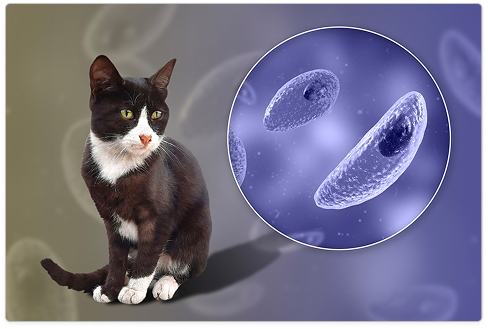
Toxoplasmosis in Cats – Quick Summary
Toxoplasma gondii is a parasite spread by cats through feces after eating raw meat or infected prey. The parasite can survive in the environment for months.
Before Seeing a Vet: What You Can Do
Isolate the sick cat from others, especially young or immune-compromised pets
Keep the litter box clean daily to reduce oocyst spread
Prevent access to raw meat or prey
Monitor symptoms closely and note any changes
Do not self-medicate – wait for proper diagnosis and treatment like Clindamycin
Symptoms (mostly in kittens or weak cats):
Fever, poor appetite, lethargy
Weight loss
Breathing issues, jaundice
Eye inflammation, seizures, or coordination problems